
Stephen Thorkildson
Owner, No Place Like Home
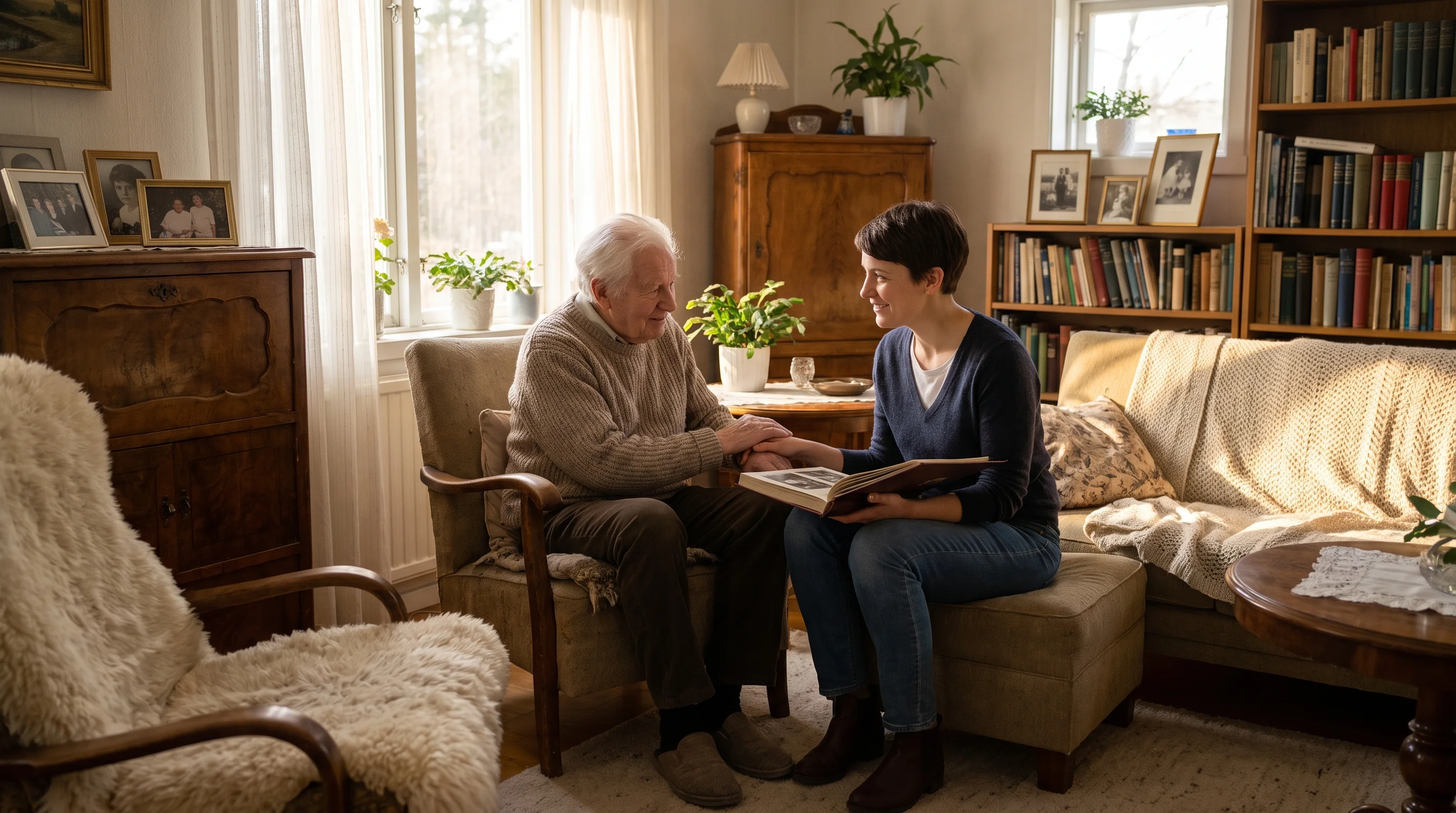
Why so many families meet hospice at the very end, and what changes when you meet it sooner.
It usually happens in a small room with a box of tissues on the table, when a doctor pulls a chair a little closer and says the word nobody in your family has wanted to say out loud.
Hospice.
For a lot of families, that word lands like a door closing. It sounds like the end of hoping and the moment everyone agrees to stop fighting, so it gets put off for another week, and then another, while everyone waits for a better time that doesn’t come.
Saturday, October 10, is World Hospice and Palliative Care Day. I want to use it to say something I wish more families heard earlier: hospice is not giving up, and for many people it arrives later than it should.
What the timing looks like
According to the National Alliance for Care at Home, half of the people who died while enrolled in hospice in 2022 had received it for 18 days or fewer. One in four had five days or fewer.
Eighteen days isn’t very long. It’s barely enough time for a hospice team to learn your loved one’s routines, let alone for a family to settle into anything that feels like peace. The National Institute on Aging says it plainly: “Sometimes, people don’t begin hospice care soon enough to take full advantage of the help it offers.”
There are good reasons a stay can be short. Illness doesn’t always give warning, and some people come to hospice after a sudden turn. I’m not writing to second-guess anyone’s timing. I’m writing because some families waited only because the word felt too heavy to say sooner.
What hospice is, in plain terms
Hospice is care focused on comfort and quality of life for someone with a serious illness who is nearing the end of life. It’s meant for people whose doctor believes they have about six months or less if the illness follows its usual course. A team of nurses, doctors, social workers, spiritual advisors and trained volunteers works together on the whole person, not only the diagnosis.
When hospice begins, treatment aimed at curing the illness stops. As NIA is careful to point out, that “does not mean discontinuing all treatment.” Pain is still treated, and the team cares for the emotional and spiritual side of this time as well.
Two more things tend to surprise families. Hospice can happen at home, in your loved one’s own bed, in the house they know. It also isn’t a one-way door, since a person can leave hospice and return later if their doctor still feels it fits. Palliative care, its close cousin, can begin much earlier and can run right alongside treatment meant to cure.
What families don’t expect
Here’s what I think catches families most off guard. A hospice team visits regularly, and someone is usually reachable by phone around the clock. But NIA is honest about the rest of the day: “the day-to-day care of a person dying at home is provided by family and friends.”
In practice, that can mean a nurse visit and a bath from a home health aide, each once a week and each about an hour long. Those visits matter, but they don’t give a family enough time to truly take a breath, because you’re still living the other 23 hours of the day with your hands full. That means the meals nobody feels like eating, the long afternoons, and the quiet hours at three in the morning.
We lived that with my dad. I was his primary caregiver through Parkinson’s while Seana was recovering from her brain injury, and even once hospice came in at the end, those weekly visits still left most of the day to us. It taught me how much a family can carry, and exactly where it starts to give.
Where we fit, and where we don’t
We are not a hospice, and we don’t replace one. We work alongside the hospice of your family’s choosing, and we follow their plan and their nurses’ lead. Any help with medications happens only under hospice nurse guidance and within medical protocols.
What we bring is the part NIA says falls to family: a steady, familiar person in the house for the hours a hospice visit doesn’t cover. That’s why we tell families to let us do the dirty work, so they can have peace of mind knowing their loved one is being cared for with dignity. At the end of a life, a new face every few days is hard on everyone, and it’s part of why we don’t rotate caregivers without a clear reason. Our job is to make it possible for you to spend the time you have left as a son or daughter, rather than as the night shift.
One question to ask this month
If your loved one is living with a serious illness, you don’t have to decide anything about hospice today. You can ask one question at the next appointment, though: “Would hospice or palliative care help us now?”
NIA encourages families to start these conversations early, and asking isn’t the same as deciding. It only means the word gets said while there’s still time for it to help.
That doctor pulling the chair closer isn’t closing a door. Much more often, they’re pointing to one that families later wish they had found sooner.
If you’re somewhere in the middle of this and want to talk it through, you can reach me directly. There’s no form to fill out and no call center, just someone who has sat where you’re sitting.
Sources referenced:
National Institute on Aging
“What Are Palliative Care and Hospice Care?”National Alliance for Care at Home
Facts and Figures, 2024 EditionWorldwide Hospice Palliative Care Alliance
World Hospice and Palliative Care Day
Stephen Thorkildson
Owner, No Place Like Home
Stephen Thorkildson is the owner of No Place Like Home, an in-home care company serving the greater Twin Cities. Over nine years in home care he and his caregivers have supported hundreds of families.